Few businesses use more electricity during the day than cold stores and manufacturers. Compressors, refrigeration plant, production lines and air handling run hard through the hottest, sunniest hours.
That is exactly when solar generates the most. For these sectors, solar isn't a nice-to-have sustainability project. It's a direct hit on one of the biggest costs in the business.
Energy is often one of the top operating costs for cold chain and manufacturing businesses, and it is one of the hardest to control. Network charges, wholesale prices and peak demand tariffs all move outside your control. Generating your own power on site changes that equation.
Why the match works
- Generation lines up with demand. Refrigeration works hardest on hot afternoons, which is when panels produce their peak output. Most of the energy is used on site instead of being exported for a small feed-in credit.
- Self-consumed solar is worth the most. Every kilowatt-hour you generate and use yourself replaces power you would otherwise buy at your full commercial rate.
- Demand charges come down. Many commercial tariffs charge on your highest peak in the month. Solar, especially when paired with a battery, can shave those peaks.
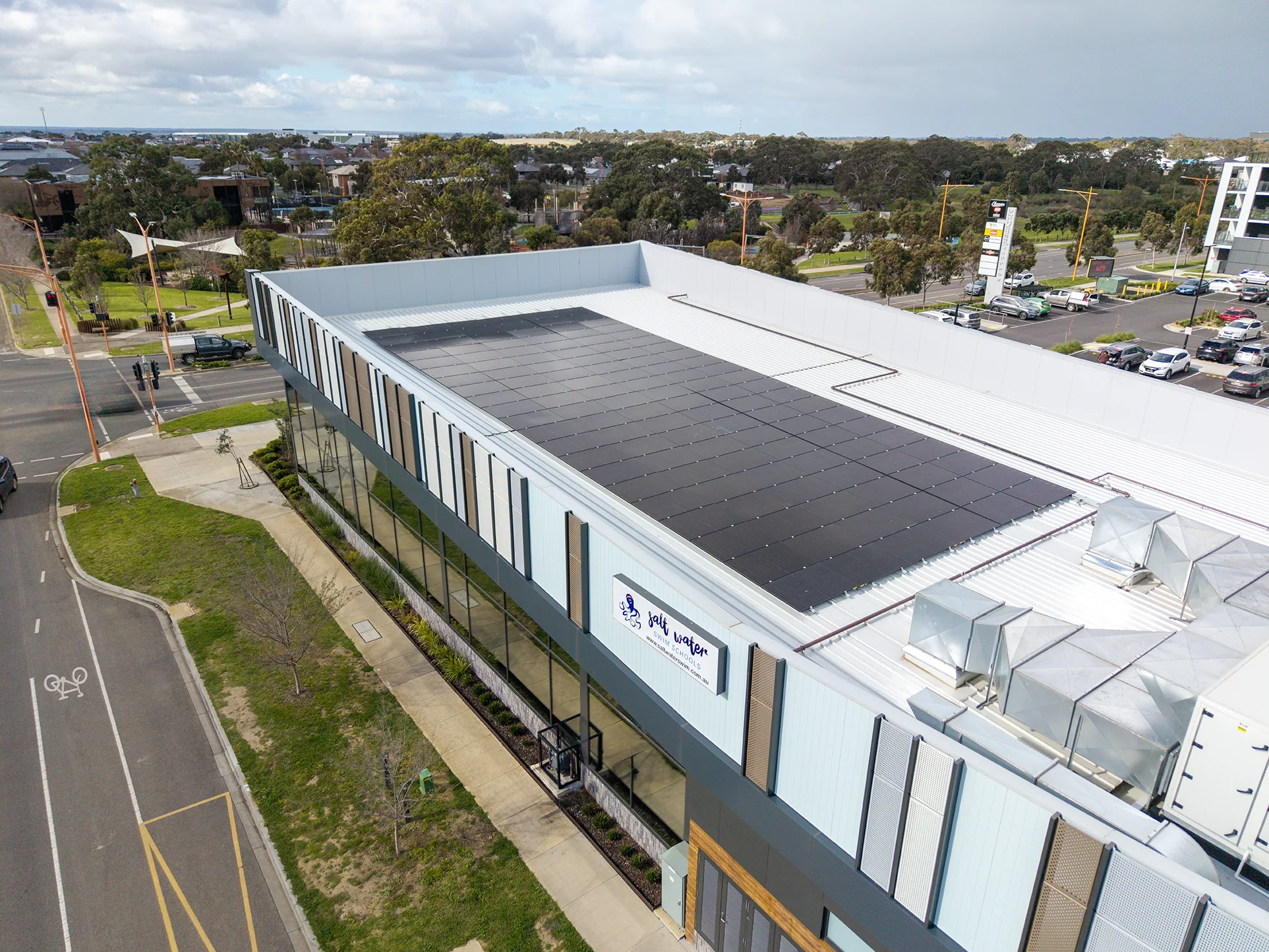
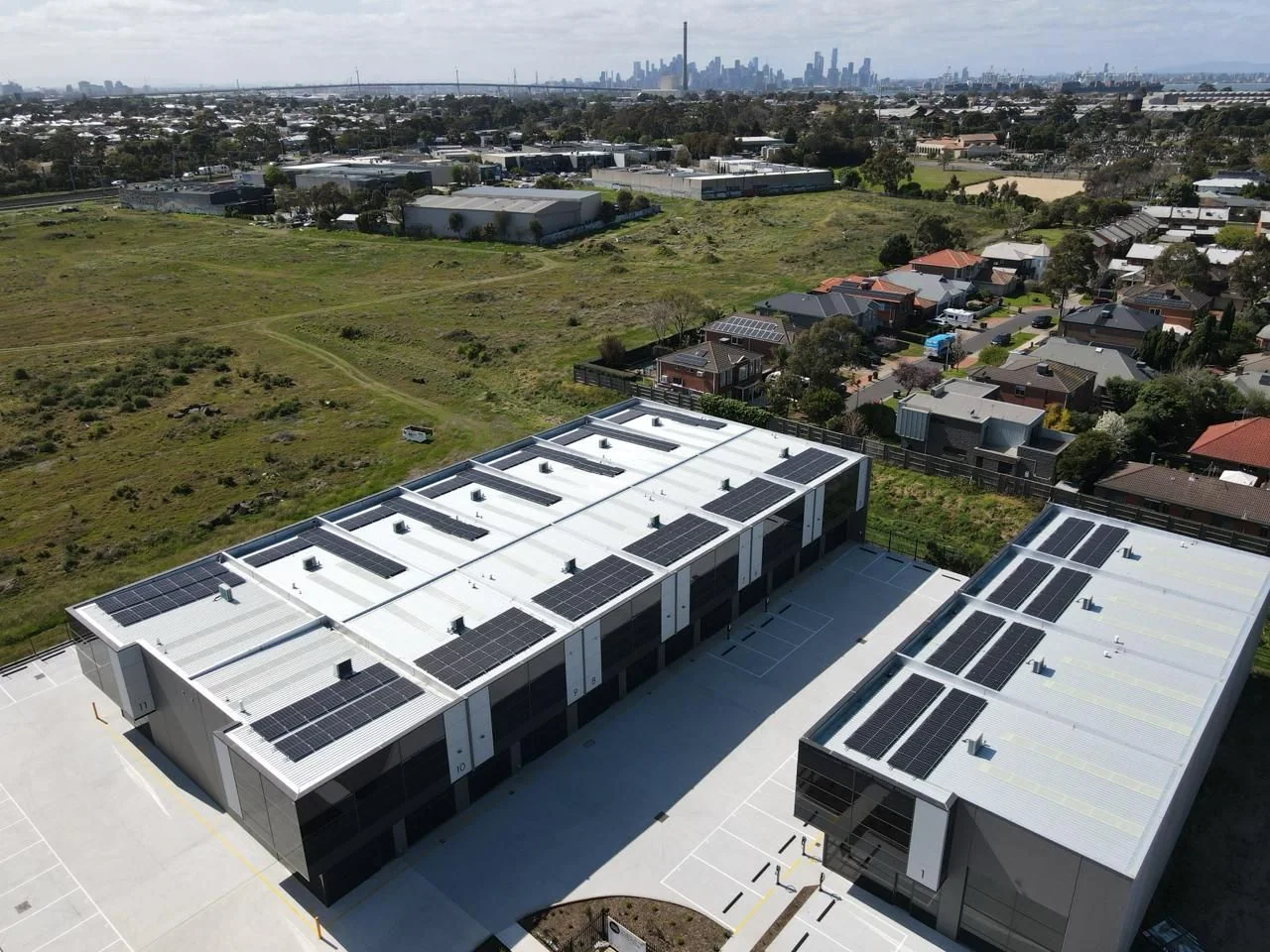
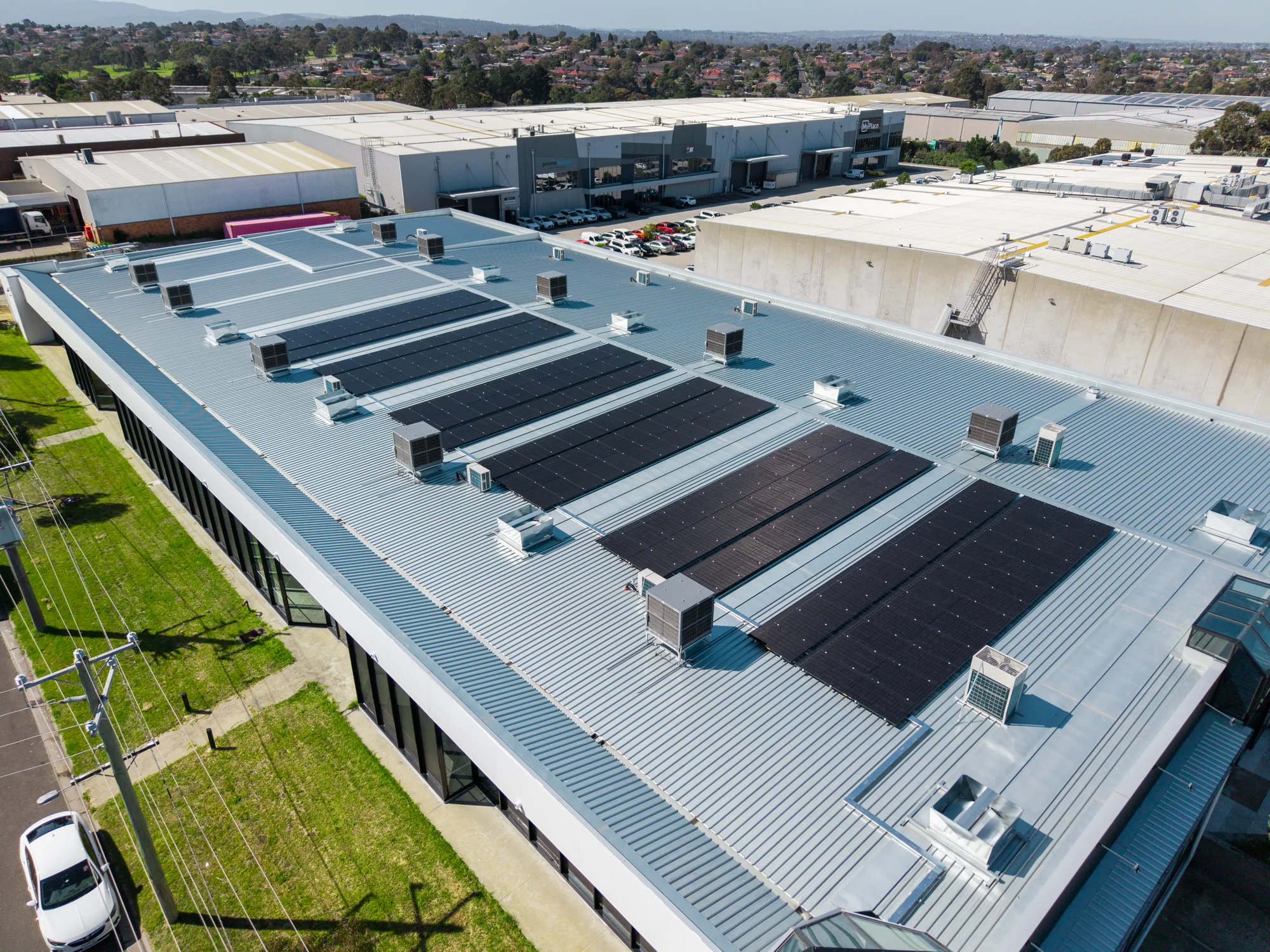
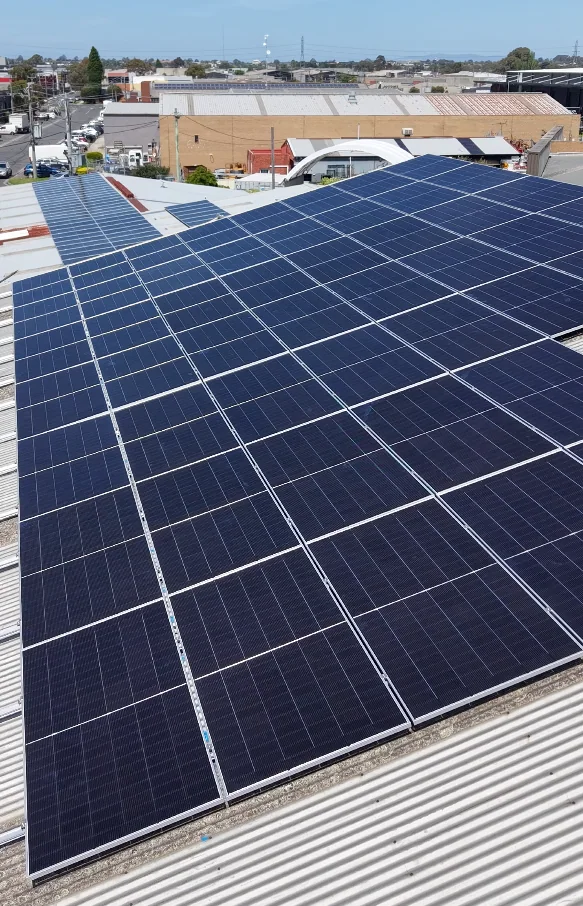
- Big roofs, big potential. Warehouses and factories usually have the roof area to host a system sized to the load, not just a token array.
Compare that with a typical office, where much of the load sits in the morning and late afternoon, or a home, where most use happens at night. Cold stores and factories turn solar's natural daily curve into savings with very little wasted.
Getting the design right
The savings depend on the design. A system sized from a rule of thumb can leave money on the table or run into network limits. A good commercial design starts with:
- Your actual load profile. We use interval data from your meter to see when and how much you consume, then size the system to match.
- Export limits and network rules. Systems above 200kW need distributor approval, and export may be capped. The design has to work within those limits.
- Whether a battery adds value. For sites with high demand charges, evening refrigeration loads or backup needs, storage can lift the return.
- Roof and structure. Older industrial roofs need structural checks before they carry hundreds of panels.
- Installing without stopping production. Cold stores and factories can't simply switch off. Shutdowns for switchboard work must be planned around your operations and stock.
What a typical project looks like
A 200kW+ system for a cold store or factory is a structured project, not a quick install. Here is how it usually runs:
- Energy and site review. We analyse 12 months of interval data, your tariff and your roof to model generation and savings.
- Design and proposal. Our engineers produce a system design, expected output and financial return, including battery options where relevant.
- Approvals. We prepare and lodge the network connection application, arrange structural certification and complete the compliance documentation.
- Installation planning. We agree access, safety requirements and any shutdown windows with your operations team so production and cold chain integrity are protected.
- Installation and commissioning. Our own crews install the system, then it is tested, commissioned and signed off with the network.
- Monitoring and maintenance. Our after-sales team tracks generation against forecast and keeps the system performing for the long term.
Each step has its own approvals and paperwork. Handled by one experienced team, it moves faster and with far fewer surprises.
Benefits beyond the power bill
- Protection from price rises. Every kilowatt-hour you generate is one you don't have to buy, whatever happens to retail and network prices over the next decade.
- A cooler roof. Panels shade the roof surface, which can reduce heat gain into the building and take some load off refrigeration and cooling plant.
- Stronger sustainability credentials. Supermarkets, food brands and large manufacturers increasingly ask suppliers about their emissions. On-site solar gives you a clear, measurable story to tell.
- A long-term asset. A well-designed and maintained commercial system keeps delivering for 25 years or more, long after it has paid for itself.
How RVB Energy helps
Commercial solar for cold storage and manufacturing needs more than an electrician with a ladder. At RVB Energy, every part of the project is handled by our own people:
- In-house engineers design each system around your real consumption data, manage the network approvals and own the compliance.
- In-house installers, not subcontractors, carry out the work to one standard, trained in our safety procedures and briefed on your site rules.
- A dedicated after-sales team monitors generation, picks up underperformance early and handles maintenance for the life of the system.
That means one team accountable from first conversation to final handover, and long after it. We're not just another electrical company. We specialise in the large-scale projects where experience makes the difference.
Run a cold store, warehouse or manufacturing site? Send us your last 12 months of energy data and we'll show you what solar could save.