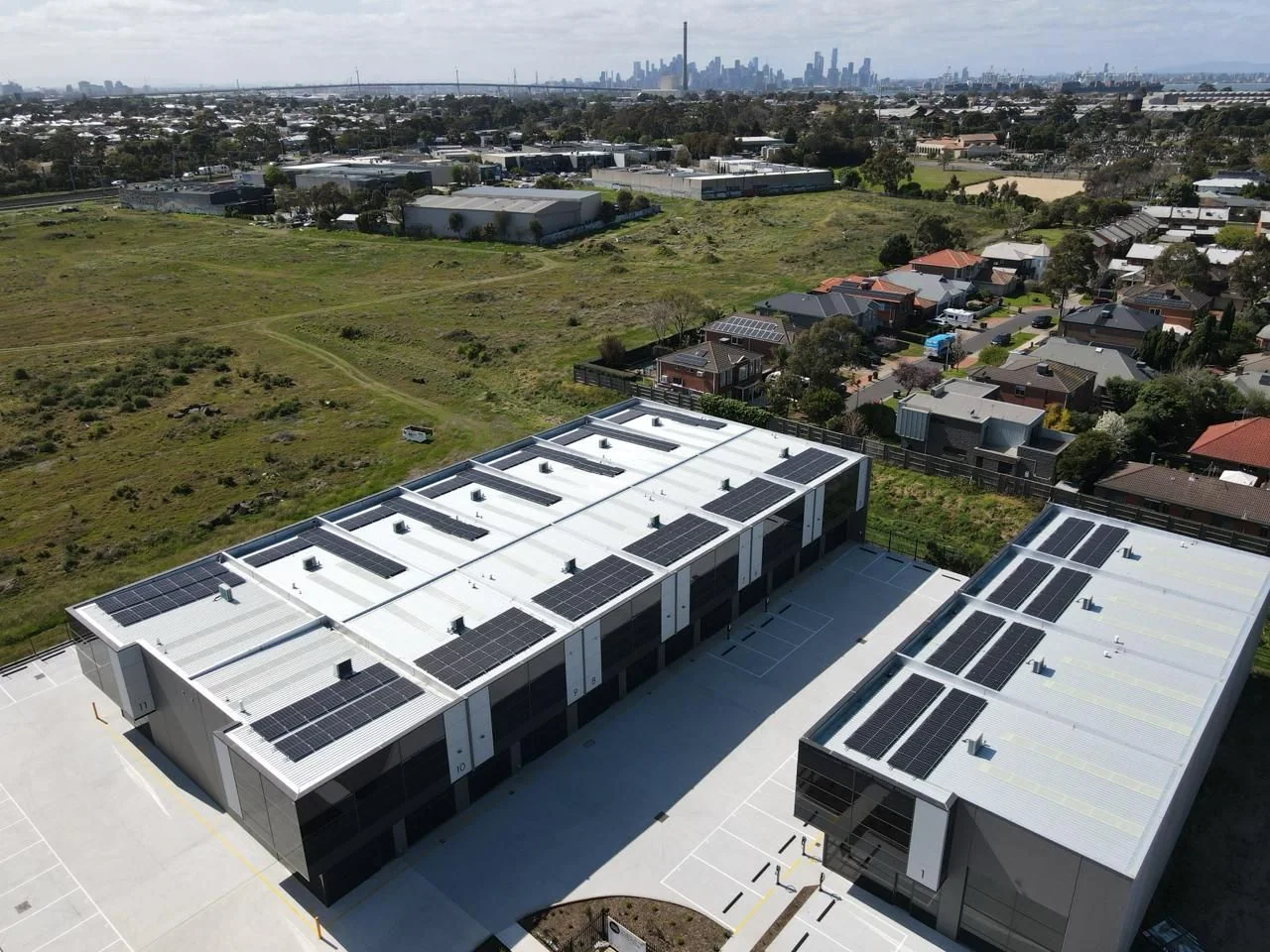
A 6.6kW system on a family home and a 300kW system on a warehouse roof both use panels and inverters. That is roughly where the similarity ends. Once a project goes above 200kW, the job stops being an installation and becomes an infrastructure project. There are network approvals, engineering reports, protection settings, structural sign-offs and strict site safety requirements. Get any of these wrong and the system sits idle, waiting for approval, while your energy bills keep arriving.
At RVB Energy, commercial solar is what we are built for. Here is what that actually means for your business. Commercial solar is a different ball game Large systems carry a level of compliance that most residential installers never deal with. Before a single panel goes on the roof, a 200kW+ project typically involves:
Network connection approval — a negotiated connection application with your distributor, often with network studies and export limits to work through
Protection and grid compliance — central protection relays, inverter settings to AS/NZS 4777, and testing witnessed or reviewed by the network
Structural engineering — certified roof load assessments, wind loading and mounting design.
Electrical design and documentation — single line diagrams, cable sizing, switchboard upgrades and AS/NZS 3000 compliance
Site safety — safe work method statements, working at heights, inductions and coordination with your operations
Certificates and reporting — systems over 100kW sit under the Large-scale Renewable Energy Target, which means power station accreditation and generation reporting rather than the simple rebate process used for homes.
Each of these steps has its own paperwork, timelines and approval authority. Miss one, and the whole project stalls. This is where experience pays for itself.
Our own installers, not subcontractors
Many solar companies sell the job, then hand it to whichever subcontractor is free that week. On a commercial site, that model creates gaps: in quality, in accountability and in communication. Every RVB Energy installation is carried out by our own in-house team. That means:
One standard of workmanship across every project, trained to our procedures
Clear accountability — the people on your roof answer to us, and we answer to you
Consistent safety culture — our crews know our SWMS, our sign-offs and your site rules
Better scheduling — we plan around your operations, not around a subcontractor's availability When something needs to change on site, the decision is made in hours, not passed down a chain of contractors.