Thinking about buying an electric car? Or already have one sitting in your driveway? Here's how home EV charging works, what it costs and how solar panels could make charging even cheaper.
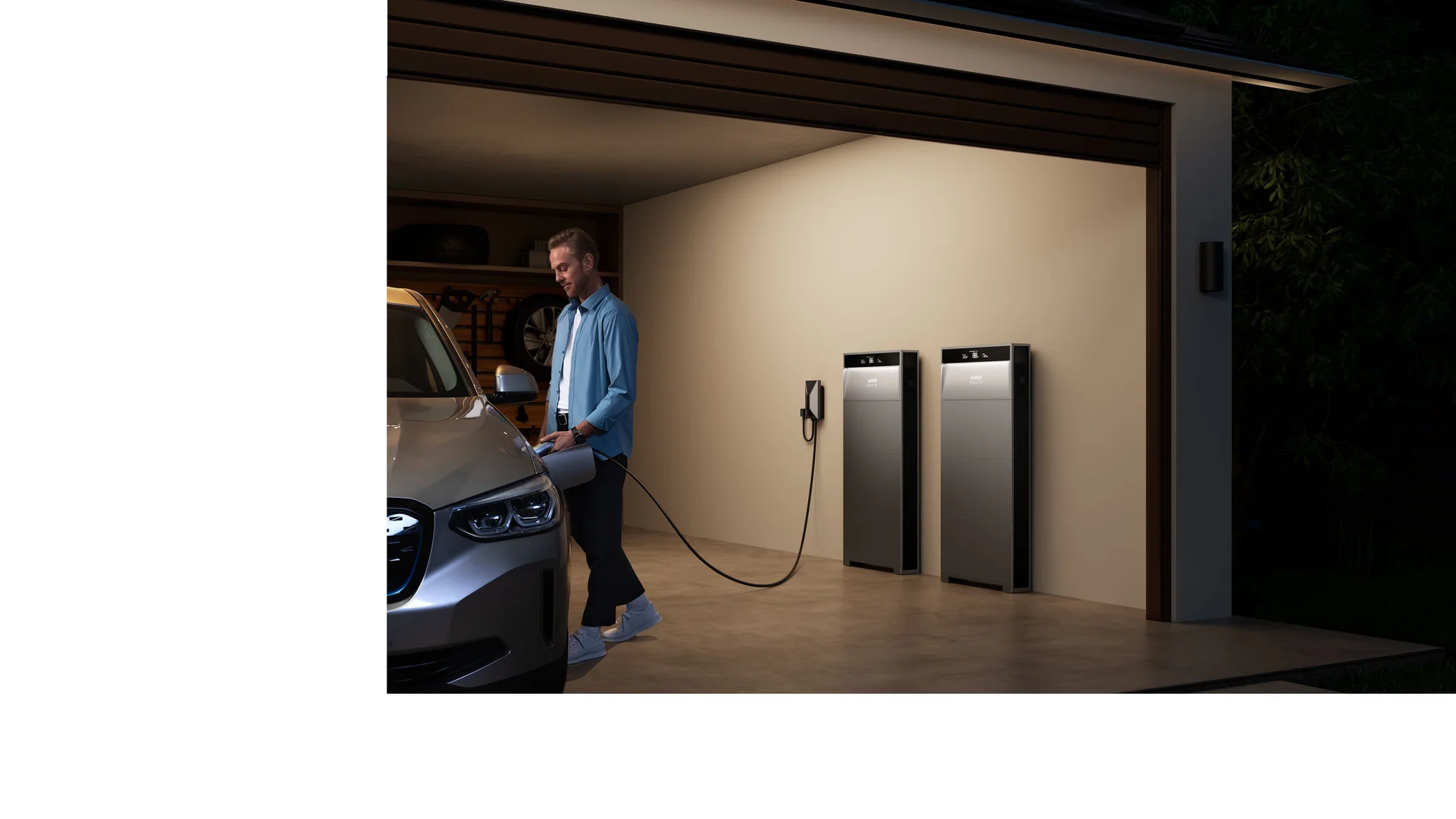
Imagine coming home after a long day, plugging in your car and waking up the next morning with a charged battery.
No stopping at petrol stations. No waiting around at public chargers. Just plug in, head inside and get on with your evening.
That's one of the biggest benefits of owning an electric vehicle (EV).
And with more electric cars appearing on Melbourne roads, homeowners are starting to ask an important question:
What's the best way to charge an electric car at home?
The good news is that it's probably simpler than you think.
Can You Charge an Electric Car at Home?
Absolutely!
Most electric vehicles can be charged using a regular household power point with a suitable charging cable.
The catch? It can be pretty slow.
Charging through a standard power point might be enough if you only drive short distances each day, but it could take many hours to recharge a larger battery.
That's where a dedicated home EV charger comes in.
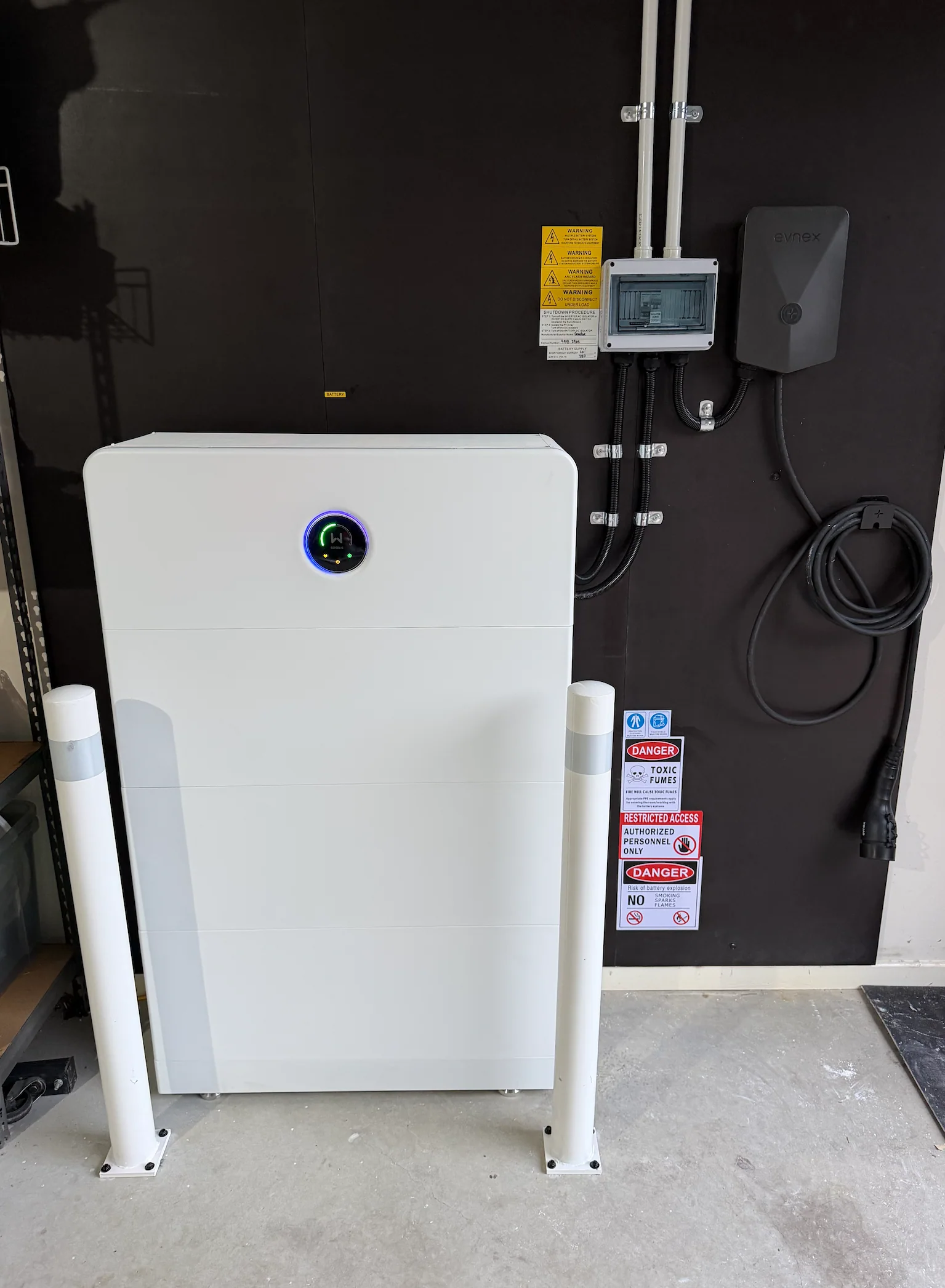
A home charger is a small unit installed on your garage or carport wall. It connects to your home's electrical system and allows you to charge your car much faster than a standard power point.
Think of it like upgrading from a basic phone charger to a fast charger.
How Fast Is a Home EV Charger?
A common home EV charger in Melbourne is a 7 kW charger.
Depending on your vehicle, it could add roughly 30–50 kilometres of driving range for every hour it's plugged in.
So, if you've driven to work, picked up the kids and done the groceries, you could easily replace much of that day's driving overnight.
Some homes with three-phase electricity can support faster chargers, although the actual charging speed also depends on what your car can accept.
And here's something worth remembering: you don't need to fully charge your electric car every night.
Just like your phone, you can top it up whenever you need.
How Much Does It Cost to Charge an Electric Car at Home?
This is probably the question we hear most.
The answer depends on three things:
- How much electricity your car needs.
- What your electricity retailer charges.
- When you decide to charge.
Let's look at a simple example.
Say your electric car needs 20 kWh of electricity, and your home electricity rate is 25 cents per kWh.
That would cost approximately $5 in electricity, before allowing for charging losses and any other applicable charges.
Pretty reasonable for a convenient top-up at home!
Of course, electricity prices vary, so your actual charging costs could be higher or lower.
You can also use the Australian Government's EV charging information to better understand your options.
Already Have Solar Panels? Even Better!
Here's where things get interesting.
If your home already has solar panels, you could potentially use some of the electricity generated by your roof to charge your car.
Instead of sending all your unused solar electricity back to the grid, a compatible smart EV charger can direct some of that excess power into your vehicle.
Imagine parking your car at home on a sunny afternoon and letting your rooftop solar system help recharge it.
That's one of the great benefits of combining residential solar panels with an electric vehicle.
And if you have a home battery, you may have even more flexibility over when you use your stored electricity.
The most cost-effective setup will depend on your solar generation, electricity plan and when your car is usually parked at home.
Three Hours of Free Electricity in Victoria?
There's another development Melbourne EV owners should know about.
In October 2026, Victoria introduced the Midday Power Saver, an optional electricity offer providing eligible households with three hours of no-cost electricity every day.
That's between 11 am and 2 pm.
Eligible households with a smart meter can access up to 24 kWh of no-cost electricity during that window.
For electric vehicle owners who are regularly home during the day, this could create an opportunity to charge their car without paying for the electricity used within the offer's limits.
However, electricity rates outside those hours and daily supply charges may be higher, so comparing plans is important.
You can find more information on the Victorian Government's Midday Power Saver page.
How Much Does It Cost to Install an EV Charger in Melbourne?
Installing a dedicated EV charger is an investment in making everyday charging more convenient.
According to RACV's September 2026 guide, a straightforward 7 kW home charger installation generally costs around $1,400–$2,500, including the charger.
More complicated installations can cost extra.
The final price depends on things like your home's switchboard, the distance between the charger and your electrical supply, and whether any upgrades are needed.
Not every home requires the same setup, which is why having an experienced installer assess your property is important.
Do You Need a Home EV Charger?
Not necessarily.
If you only drive short distances and have plenty of time to charge, a suitable standard power point might meet your needs.
But if you want faster charging, a more convenient setup and the ability to schedule charging around your electricity rates, a dedicated home charger is definitely worth considering.
For homeowners planning to buy an electric car in the future, it can also be worth thinking about charging options while upgrading solar or making other electrical changes.
The Future of Driving Starts at Home
Electric cars are changing the way Australians think about driving, but they're also changing how we use electricity at home.
With smart chargers, rooftop solar and new electricity offers, there's more flexibility than ever when it comes to powering your vehicle.
And the best part?
You don't need to understand all the technical details to get started.
At RVB Energy, we help Melbourne homeowners explore solar, battery storage and EV charging solutions that suit their homes and everyday routines.
Whether you've just bought your first electric car or you're planning ahead, choosing the right setup can make charging simpler and more convenient.
Ready to Make Home EV Charging Easier?
Our team can help you understand your home's electrical setup, charging options and how your EV could work alongside your existing solar system.
Explore EV Charger Installation in Melbourne with RVB Energy or contact our team to discuss your options.
RVB Energy — Helping Melbourne homes make the most of their energy.