Home batteries are getting smarter, and Anker's latest technology could change how Australians power their homes. Here's everything you need to know about the new Anker SOLIX XE.
If you've been thinking about getting a solar battery for your home, there's some exciting new technology on the way.
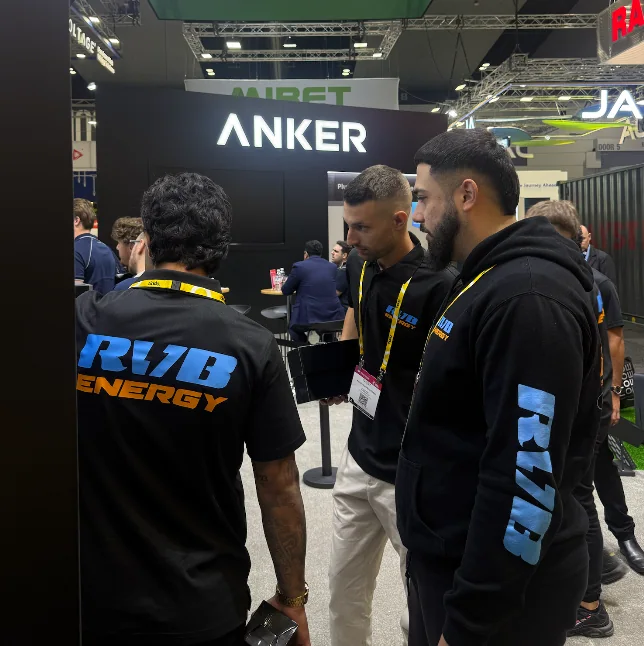
At All Energy Australia 2026 in Melbourne, our team at RVB Energy got a closer look at the new Anker SOLIX XE, a home battery designed to help Australian households make better use of their electricity.
And there's one feature we're particularly excited about.
Instead of simply storing solar energy during the day, the new XE is designed to find opportunities to charge when electricity is cheap and use that stored power when electricity costs more.
So, what does that actually mean for your home?
First, What Is the Anker SOLIX XE?
Think of a home battery like a storage tank, but instead of storing water, it stores electricity.
When your solar panels produce more electricity than your home needs, a battery can save that extra energy for later.
The new Anker SOLIX XE takes that idea further.
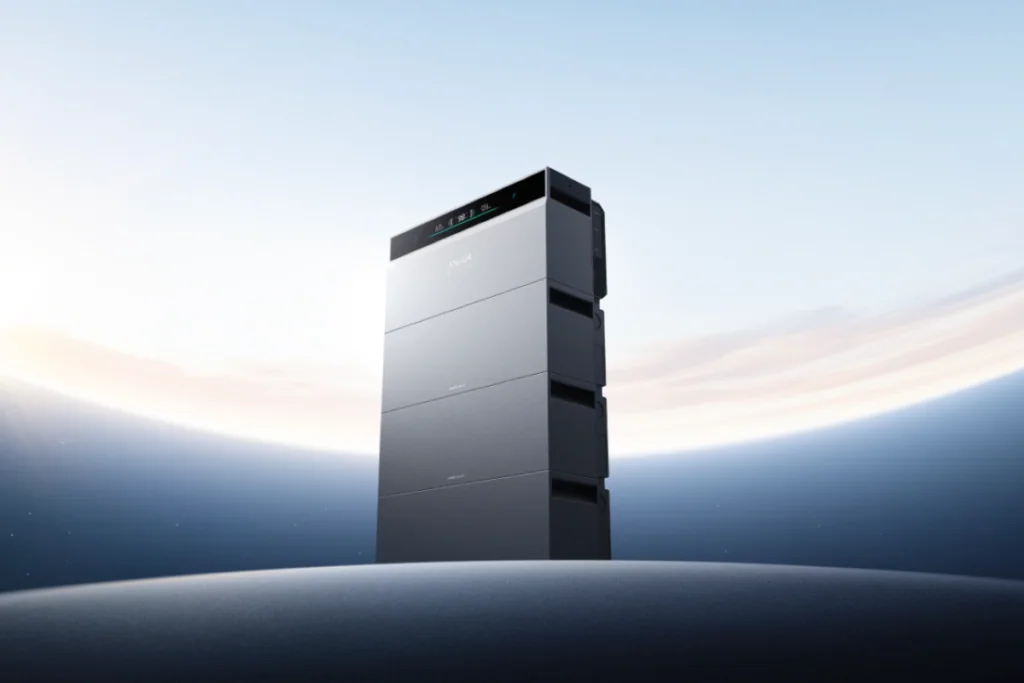
It's a compact, all-in-one battery system that combines energy storage with smart technology to help manage when your home uses electricity.
The XE also has a modular design. That simply means you can choose how much battery storage you need, with configurations starting at 7 kWh and going up to 42 kWh per stack.
Whether you're running a smaller household or a busy family home, different battery sizes can suit different electricity needs.
The Exciting Part: Your Battery Can Charge Twice a Day
This is where things get interesting.
Most people think of a solar battery charging during the day and powering their home at night.
But the Anker SOLIX XE is designed to support two charging and discharging cycles in a single day.
Here's a simple example.
During the middle of the day, your battery could charge using solar energy or electricity from a low-cost daytime plan.
When evening arrives and electricity prices increase, your home can use the energy stored in the battery.
Then, if your electricity plan offers cheaper overnight power, the battery could charge again, ready for the morning.
It's a smarter way to use the same battery throughout the day.
Of course, charging twice won't always be the cheapest option. That depends on your electricity plan and how much energy your home uses.
Free Daytime Electricity? Here's What Victorian Homeowners Should Know
There's another reason we're excited about this technology.
In October 2026, Victoria introduced the Midday Power Saver, an optional electricity offer that allows eligible households to access up to three hours of no-cost electricity each day.
That's between 11 am and 2 pm, when solar electricity is plentiful.
For homes with a compatible battery, this could create an opportunity to store some of that electricity and use it later in the evening.
Pretty clever, right?
But there's something important to remember: electricity outside those free hours may cost more, and daily supply charges still apply. So it's worth comparing plans before switching.
You can read more about the offer on the Victorian Government's Midday Power Saver website.
A Battery That Helps Make Decisions for You
Another interesting feature of the XE is something called ANKA.
ANKA is Anker's intelligent energy assistant.
Its job is to help your battery understand when electricity is cheap, when your home needs power and when it's better to save energy for later.
Instead of constantly checking your electricity prices and changing settings yourself, the system is designed to help manage those decisions automatically.
For homeowners, that could mean less time worrying about electricity and more opportunities to get value from their battery.
What Happens If There's a Blackout?
The XE is also designed to provide backup power during electricity outages.
That means a properly configured system could help keep your home powered when the grid goes down.
Exactly what can stay running, and for how long, will depend on the battery size, installation and how much electricity your household needs.
Anker has also designed the XE to be compact, with a cleaner installation layout that could suit homeowners who don't want bulky equipment taking up space.
Should You Wait Until 2027 to Get a Battery?
That's a great question, and the answer depends on your home.
The Anker SOLIX XE is an exciting development, but it doesn't mean existing home batteries are suddenly outdated.
For many households, a battery available today could already make a meaningful difference to their electricity bills.
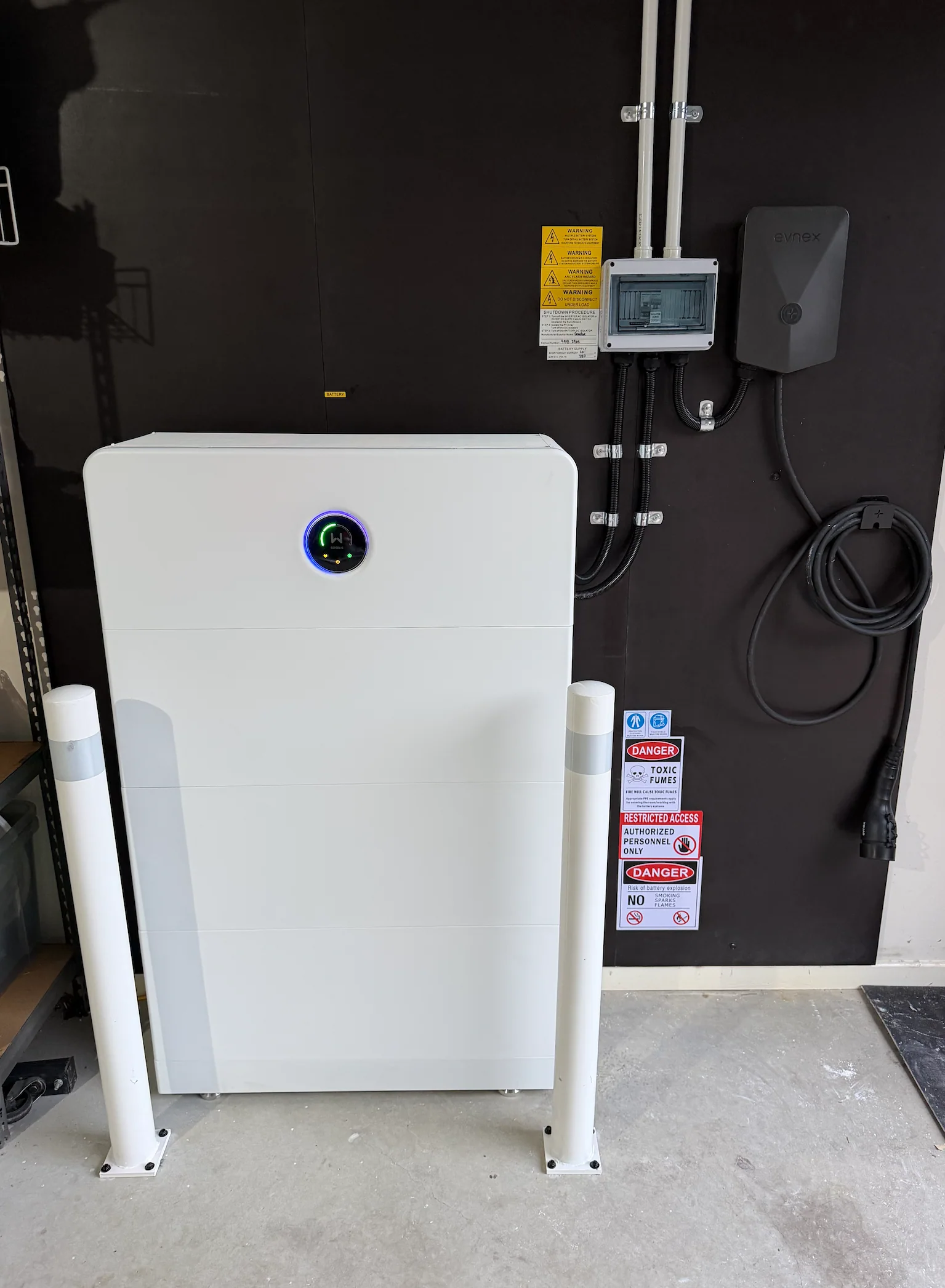
At RVB Energy, we currently install the Anker SOLIX X1, along with other home battery options to suit different properties and budgets.
If you're considering the XE, Australian pricing and installation availability should be confirmed before making any decisions.
It's also worth checking the latest Australian Government battery incentives, as eligibility and discount amounts can change.
Looking Ahead to 2027
The biggest change we're seeing in home batteries isn't simply how much electricity they can store.
It's how much smarter they're becoming at using it.
Technology like the Anker SOLIX XE is making it easier to imagine homes that automatically store electricity when it's affordable and use it when it's needed most.
As an Anker SOLIX Certified Installer, RVB Energy is excited to see how these developments shape the future of solar and battery storage across Melbourne.
And we'll continue keeping our customers informed as new technology becomes available.
Thinking About Getting a Home Battery?
Whether you're interested in the latest Anker technology or simply want to know which battery would suit your home, we're here to help.
Our team can look at your electricity usage, existing solar system and household needs to help you understand your options.
Explore Anker SOLIX batteries with RVB Energy or contact our team for a personalised recommendation.