Choosing a home battery can feel confusing when every quote mentions different numbers. Here's a simple way to work out what those numbers mean.
If you're comparing batteries for your Melbourne home, you've probably seen capacities like 10 kWh, 20 kWh and 30 kWh.
It can be tempting to choose the biggest one, especially if you want to rely less on grid electricity. But bigger isn't always better, and the right battery size depends on what happens in your home after the sun goes down.
Let's break it down.
What does kWh actually mean?
A kilowatt-hour (kWh) is a measure of energy. Think of it as the amount of electricity you have available to use.
A simple example: an appliance using 1 kilowatt of power for one hour consumes 1 kWh of energy.
So a 10 kWh battery stores around ten kilowatt-hours of electricity before accounting for its usable-capacity limits and real-world losses.
It's also worth knowing that kWh and kW are different. The kWh figure describes storage capacity. The kW figure helps describe how much power the battery system can deliver at one time.
Would a 10 kWh battery suit your home?
A battery around this size may be worth considering if your household has modest evening electricity needs, you've already got solar panels and you're mainly trying to use more of your own daytime generation at night.
For example, a couple with a fairly efficient home might find a smaller battery meets much of their routine evening demand.
But a 10 kWh battery won't necessarily run every appliance all night. The result depends on what's switched on and how much usable energy the battery can deliver.
What about 20 kWh?
A larger family might use more electricity after sunset: cooking dinner, running heating or cooling, doing laundry and charging devices.
A battery around 20 kWh could provide more flexibility, especially where the home has enough solar generation to recharge it regularly.
The important question isn't whether 20 sounds better than 10. It's whether your home can regularly use and recharge that extra storage.
And when would 30 kWh make sense?
Larger-capacity systems may suit homes with high electricity consumption, significant overnight demand or particular backup requirements.
That could include households with extensive heating and cooling needs or people planning additional electric appliances in the future.
But it's worth checking the payback carefully. If a large battery sits partly empty most of the year, you may be paying for storage you're not making much use of.
Three things to check before choosing
1. Your evening and overnight usage. This is often more useful than your total daily electricity use. Two homes with the same bill can need very different batteries.
2. Your solar generation. A big battery is easier to take advantage of if your solar system produces enough excess energy to charge it.
3. Your goals. Are you aiming to reduce bills, keep essential appliances running in an outage, or prepare for a more electric home? Different priorities lead to different designs.
Does battery size change the rebate?
Yes, it can. Under the federal battery program, the incentive calculation gives less support per extra kWh as battery capacity becomes larger. That's another reason to compare the full installed cost, not just the advertised rebate.
You can check the current details with the Clean Energy Regulator.
Our advice: start with your energy use
At RVB Energy, we'd rather help you choose a battery that suits your home than recommend a size based on a headline number.
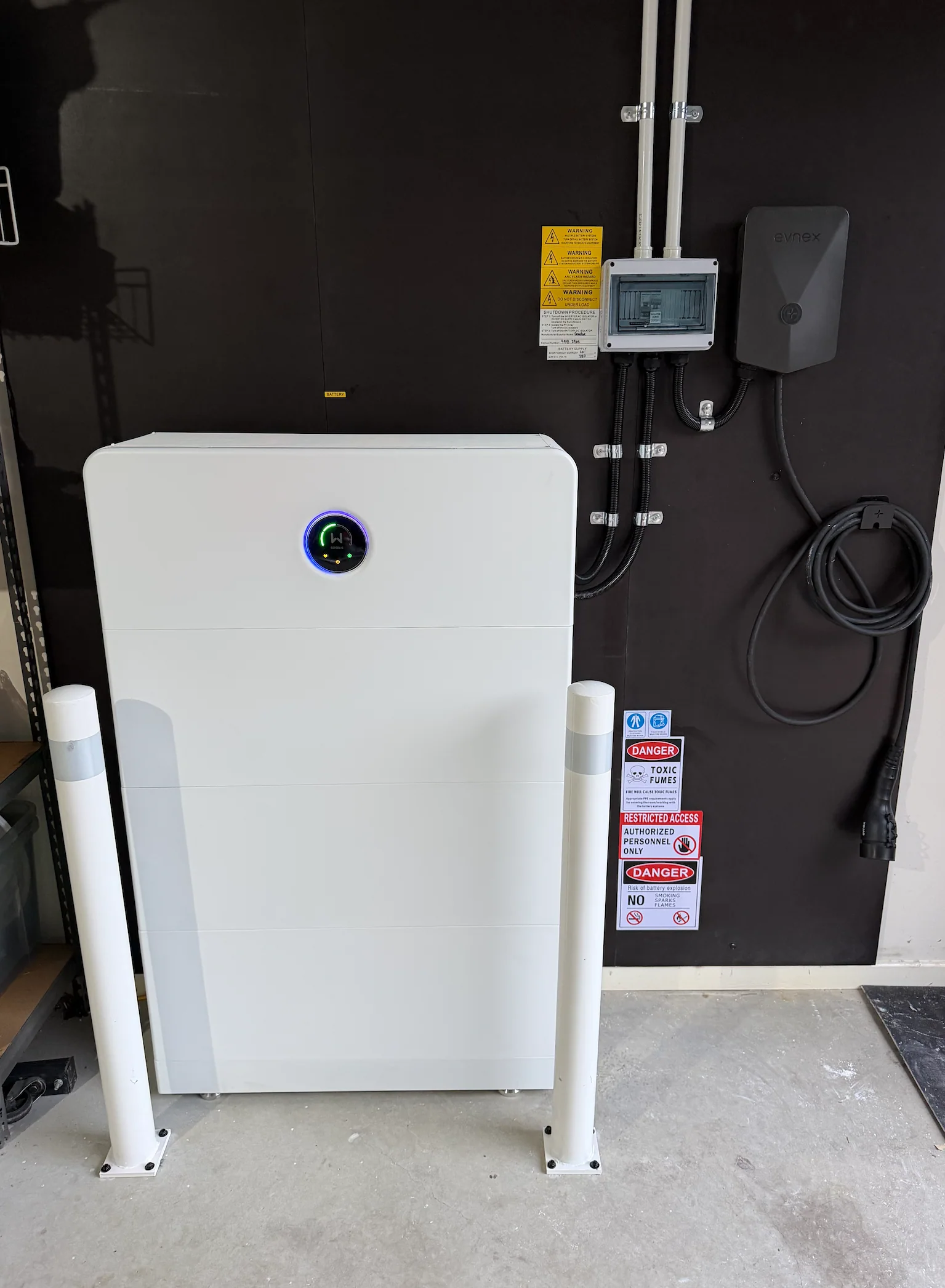
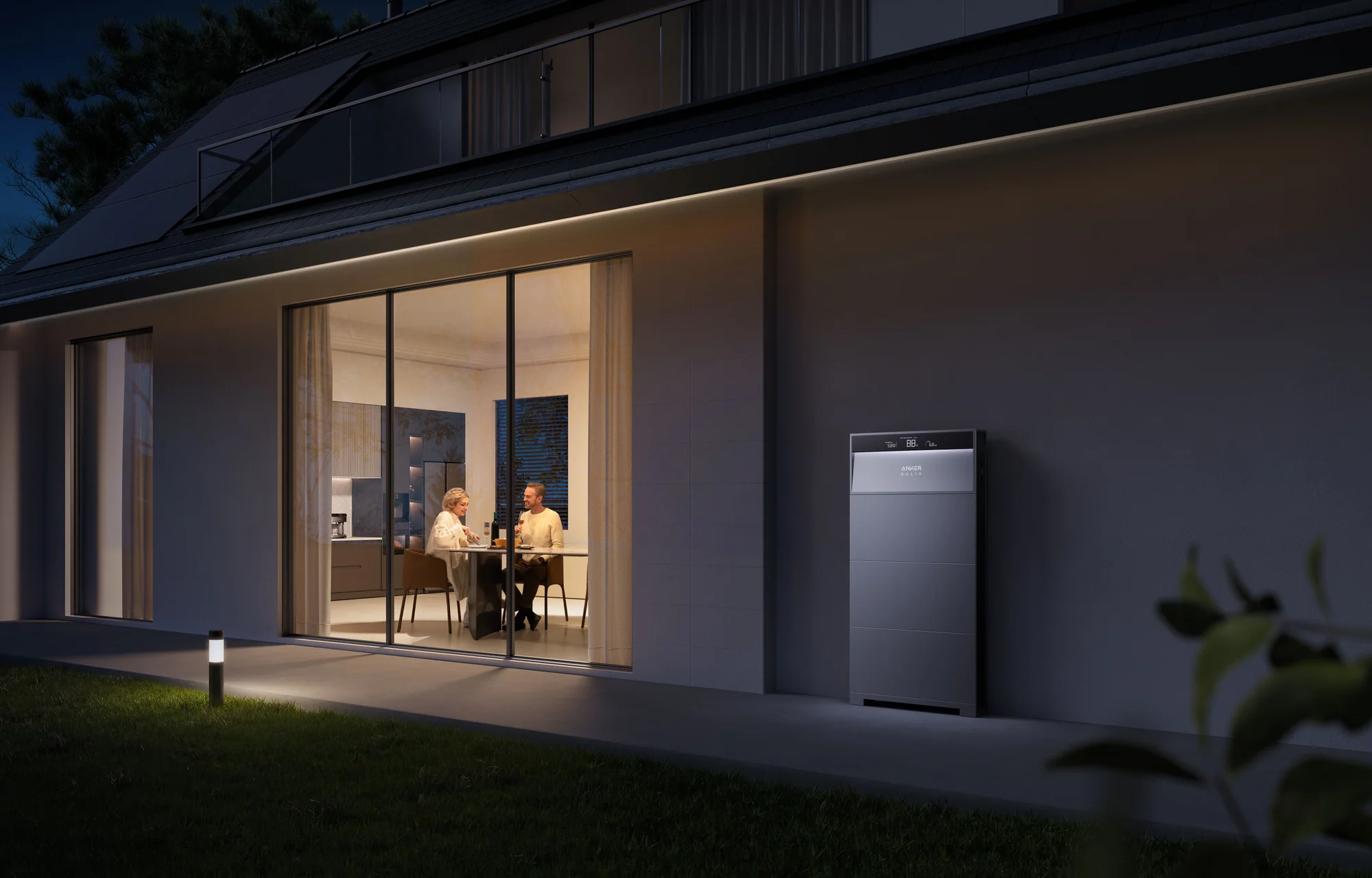
We can review your electricity usage and discuss options including Anker SOLIX, GoodWe and other systems in our home battery range.
The best battery size is the one that works for your household, not the one with the biggest number on the box. Get in touch and we'll help you narrow it down.